
Modern logistics operations depend on speed, accuracy, and reliable information. As freight volumes increase and shipments become more diverse, manually measuring packages can create delays, inconsistent data, and unnecessary costs. Warehouses and distribution centers need dependable ways to capture shipment dimensions while keeping products moving efficiently through the facility. This is where freight dimensioning systems have become increasingly valuable.
Dimensioning technology uses specialized sensors, cameras, and software to determine the length, width, height, and sometimes weight of freight. Instead of relying entirely on manual measurements, businesses can capture shipment information quickly and integrate it into transportation and warehouse systems. Accurate dimensions can support better freight classification, storage planning, carrier selection, and billing processes.
Why Accurate Freight Measurements Matter
Freight dimensions directly influence how shipments are stored, handled, transported, and priced. A small measurement error can become significant when multiplied across thousands of shipments. Oversized freight may consume more trailer or warehouse space than expected, while inaccurate measurements can contribute to billing disputes.
Accurate information also helps logistics teams understand the physical characteristics of their inventory. With reliable data, planners can determine how much space shipments require and organize workflows around actual freight characteristics rather than estimates.
The Role of Freight Dimensioning Systems in Warehouses
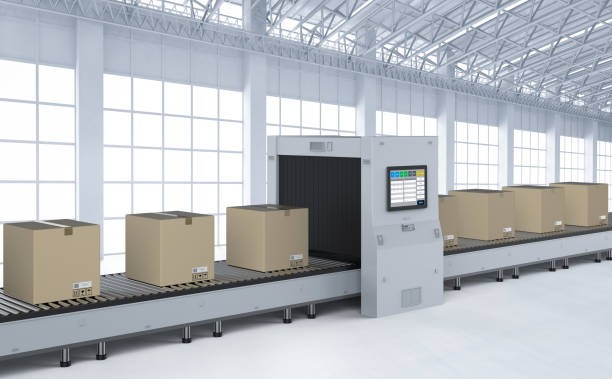
In busy warehouses, employees may handle hundreds or thousands of packages each day. Measuring every item manually can take valuable time and introduce inconsistencies. Freight dimensioning systems automate much of this process by capturing measurements as freight passes through a designated scanning area.
The technology can be positioned at conveyor stations, packing areas, shipping docks, or other strategic points. Once measurements are captured, the information can be transferred to warehouse management or transportation software. This creates a more connected process from receiving through final shipment.
Improving Operational Accuracy
Accuracy is one of the most important advantages of automated dimensioning. Modern systems can capture measurements consistently, reducing dependence on manual estimates.
The benefits can include:
- More consistent package measurements across shifts.
- Faster processing at measurement stations.
- Better documentation for freight records.
- Reduced opportunities for human measurement errors.
When dimensional data is captured consistently, managers can also identify recurring discrepancies and improve processes throughout the facility.

Supporting Better Transportation Decisions
Transportation planning depends heavily on understanding freight characteristics. Dimensions influence how cargo can be arranged inside trucks, trailers, containers, and other transportation equipment. Better information can help logistics teams use available capacity more effectively.
Freight dimensioning systems can provide timely data that supports transportation decisions before shipments leave the facility. When dimensions are integrated with transportation management platforms, businesses can improve planning and reduce reliance on rough estimates.
This can be particularly useful for operations handling irregularly shaped, oversized, or mixed freight. Rather than applying generalized assumptions, logistics professionals can work with shipment-specific information.
Improving Warehouse Space Utilization
Warehouse space is expensive, making efficient use of available storage areas a major operational priority. Incorrect dimensions can result in poor slotting decisions, unnecessary empty space, or difficulties when retrieving products.
Accurate dimensional information allows warehouses to plan storage locations according to actual product sizes. This can support more effective inventory organization and reduce situations where a package does not fit within its assigned location.
Freight dimensioning systems can therefore contribute to a broader data-driven warehouse strategy. When dimensional information becomes part of inventory records, warehouse teams can use it for slotting, handling, packaging, and transportation planning.
Connecting Dimensioning With Digital Logistics
Dimensioning technology becomes even more useful when connected to other digital systems. Warehouse management software, transportation management platforms, shipping applications, and enterprise resource planning systems can use dimensional data to support operational workflows.
Instead of collecting information and storing it separately, businesses can create a connected data flow. A package can be measured, identified, recorded, routed, and prepared for shipment with fewer manual interventions.
This type of integration can also improve visibility. Managers can review shipment information, identify bottlenecks, and analyze operational trends using centralized data.
Conclusion
Accurate freight information is becoming increasingly important as logistics operations become more automated and competitive. Manual measurement methods may work for smaller operations, but larger facilities often need faster and more consistent processes. Freight dimensioning systems provide a practical way to capture dimensional information while supporting warehouse, transportation, and shipping workflows.
When properly integrated, dimensioning technology can improve measurement accuracy, space planning, transportation decisions, and operational visibility. For logistics companies seeking a more efficient and data-driven operation, automated dimensional measurement can become an important part of the modern supply chain.