
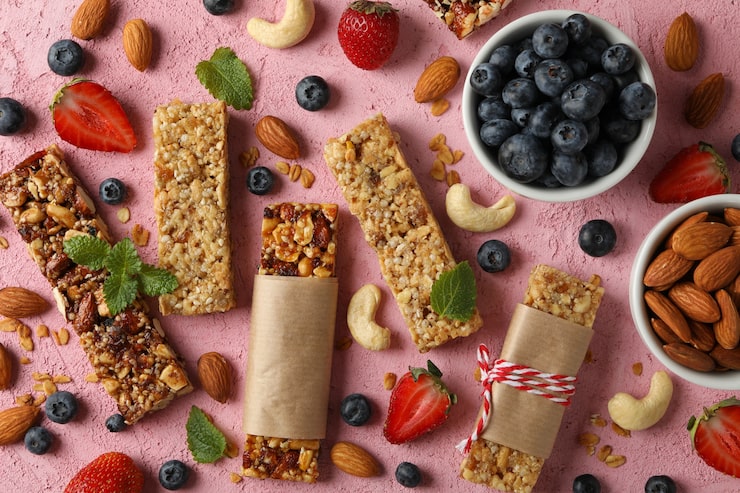
Grab a bar off a shelf and it can be genuinely hard to tell whether you’re holding a protein bar or an energy bar — the packaging, the size, even the ingredient lists can look nearly identical at a glance. But the two are built for different jobs, and picking the wrong one for the moment can leave you either sluggish or unnecessarily stuffed.
What Protein Bars Are Actually Built For
Protein bars are formulated around one primary goal: delivering a meaningful dose of protein, typically 15 to 20+ grams per bar, aimed at muscle recovery, satiety, or filling a gap between meals. They tend to be lower in sugar than energy bars and higher in protein sources like whey, soy, or pea isolate, which is also why they often have that denser, chewier texture.
What Energy Bars Are Actually Built For
Energy bars are built around fast, accessible carbohydrates — oats, dried fruit, honey, or other simple sugars — designed to deliver quick fuel rather than long-term satiety. They’re the more natural choice for something like a hike, a long bike ride, or any activity where you need readily available energy in the next 30 to 60 minutes rather than sustained fullness over several hours.
How to Tell Which One You’re Actually Holding
- Check the protein line first: if it’s under 10 grams, it’s almost certainly positioned as an energy bar regardless of what the front label implies.
- Check the sugar content: energy bars often run higher in sugar, since that’s the point — fast-digesting carbs for quick fuel.
- Check the ingredient order: ingredients are listed by weight, so a bar starting with oats and dates is leaning energy bar, while one starting with a protein isolate is leaning protein bar.

Choosing the Right One for the Moment
Reaching for a protein bar before a long endurance activity can leave you feeling heavy, since protein digests more slowly and isn’t the fast fuel source your body wants mid-activity. Reaching for an energy bar as a meal replacement, on the other hand, often leaves people hungry again within an hour, since it lacks the protein and staying power a real meal or protein bar would provide. Matching the bar to the actual need — quick fuel versus sustained fullness — makes a bigger difference than most people realize.
For general guidance on how protein fits into a balanced diet, the USDA’s MyPlate protein foods guidance is a useful independent reference for understanding daily protein needs.