Imagine you’ve spent three days milling lumber for a workbench, and on glue up day your clamp rail bends like a banana. Frustrating doesn’t cover it. That’s the moment people learn why heavy duty bar clamps deserve a closer look before you pay for them.
Rail Strength and Thickness
Start with the rail, since it carries the load. A thicker, well formed steel rail resists bending when pressure climbs. Thin rails may be fine for light trim, but they’ll flex on big panels, and flex leads to weak, uneven joints.
Check the profile too. Some rails use ribs or a shaped cross section for extra stiffness without much extra weight. Hold the clamp up and sight along it. A good rail looks dead straight, and it stays that way after years of squeezing.
Screw and Handle Quality
The screw turns your hand effort into clamping force, so it needs to be solid. Look for smooth threads that don’t grind or catch. A rough screw wears out fast and makes tightening a chore, especially when you’re racing against glue.
Handle shape matters as well. A comfortable grip lets you tighten firmly without hurting your palm. If you plan to use bar clamps daily, try the handle in the store, or at least read about how it’s designed. Small comfort gains add up across a long day.
Jaw Design and Capacity
Heavy duty work usually means bigger, stronger jaws. Look for wide, flat faces that spread pressure instead of biting into the wood. Jaws should sit square to the rail, because crooked jaws create crooked pressure.
Throat depth and maximum opening also count. A deeper throat reaches further from the edge, and a longer rail gives you capacity for wide assemblies. Think about your largest regular project and make sure the clamp can handle it with room to spare.
Build Quality and Manufacturing Standards
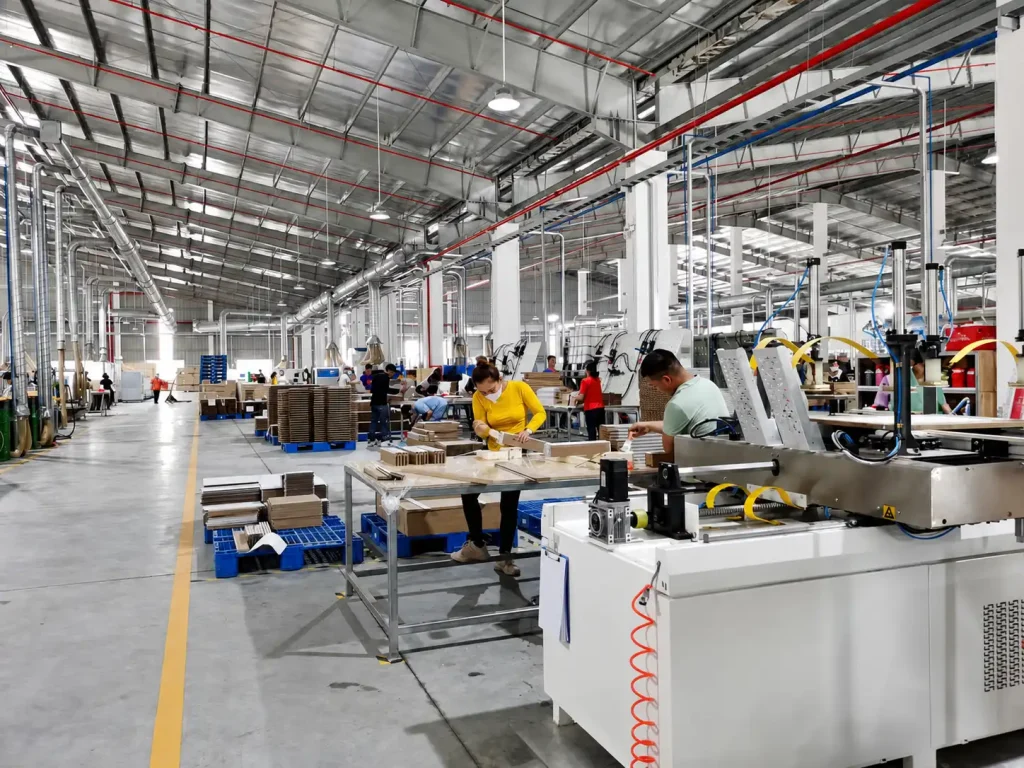
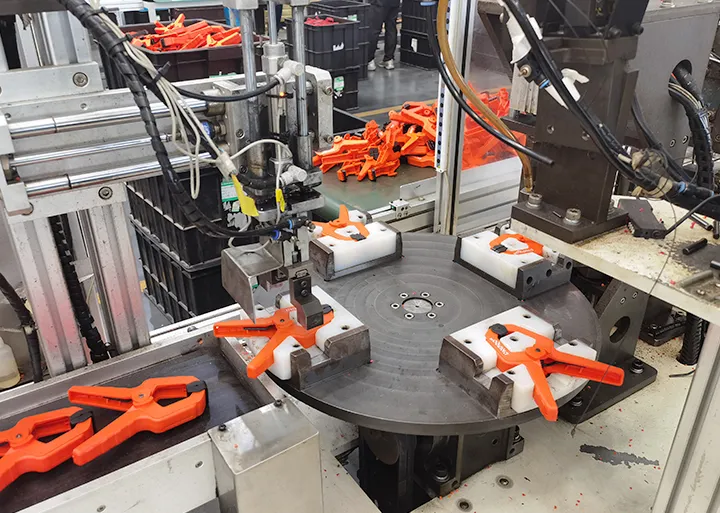
This is where the maker really shows. Careful machining, consistent heat treatment, and tight quality checks decide whether a clamp lasts a season or a decade. Duratec, for example, highlights experienced R&D engineers, advanced production facilities, and strict quality standards behind its durable, high performance clamping tools.
You won’t see all of that on the shelf, of course. But you can feel it. Smooth sliding, solid fit, no rattling parts. Those are signs somebody paid attention.
Pads, Finish, and Care
Replaceable pads protect your wood and make bar clamps easier to maintain. A good coating on the rail also helps, since it resists rust and keeps glue from sticking so stubbornly. Even the best clamp needs a quick wipe and a drop of oil now and then.
Storage counts too. Hang clamps or lay them flat so rails don’t bend under their own weight. Heavy duty tools last longest when they’re treated that way.
Matching Features to Your Budget
You don’t have to buy the strongest option for every task. Say you mainly build small furniture. A couple of heavy duty bar clamps for the big glue ups, plus lighter ones for everything else, is a smart, affordable mix. Spend where strength matters most.
Conclusion
When you’re buying heavy duty bar clamps, look at rail strength, screw quality, jaw design, overall build, and the little extras like pads and coatings. Test the feel, think about your biggest projects, and favor makers who care about precision and durability. Do that, and your clamps will still be holding boards tight long after the bench is built.