Nobody brags about a clothes rail. Yet when one bends under a winter coat collection, it becomes the most hated part of the wardrobe. Closet interiors depend on small, quiet components that simply need to work, and the hanging rail is near the top of that list. A skilled wardrobe hanging rail manufacturer thinks about span, weight, wall thickness, coating, and end fittings long before a single tube is cut. For furniture brands and importers, understanding that thinking can prevent costly returns and unhappy customers. Let us look at what really goes into a dependable rail and how buyers can choose wisely.
Strength Starts With the Tube
A rail is basically a beam. The longer it spans without support, the more it wants to sag. Three variables control that behavior: material, wall thickness, and profile shape.
Aluminum rails are light and rust resistant, which makes them popular for lighter loads and bathrooms or humid regions. Steel rails offer higher strength and are common in heavy duty wardrobes. Oval profiles resist bending better than round tubes of similar size because more material sits in the vertical direction.
Wall thickness is where shortcuts often hide. Two rails that look identical in photos can differ by a fraction of a millimeter, and that fraction changes the load rating dramatically. Always ask for the actual thickness in writing and measure it on samples with calipers.
Practical Tips for Buyers
First, define the real-world load. A family wardrobe might carry thirty kilograms or more of clothing, especially with winter coats. Ask the factory for a tested load figure, not just a theoretical one.
Second, think about brackets. A strong tube held by weak end supports will still fail. Check that the brackets fit the rail profile snugly and can handle the same weight. For long spans, a center support is often necessary.
Third, consider the finish. Anodized aluminum, chrome plating, and powder coating each offer different durability. Chrome gives a bright look, while matte coatings hide fingerprints better. wardrobe hanging rail manufacturer options from suppliers such as UKLINK come with the added benefit of sitting alongside their wider furniture hardware range, which makes it easier to build a complete interior hardware package.
Lessons From Real Projects
A bedroom furniture brand once complained about squeaking rails. Customers heard a faint metallic noise every time they slid a hanger. After investigation, the cause was rough plating inside the tube edge where hangers rubbed. The fix was a simple deburring step and a smoother coating. Complaints dropped to nearly zero.
Another project involved a sagging rail in a wide wardrobe. The brand had specified a lightweight tube to cut costs. The factory suggested an oval steel profile with a center support, adding only a small amount to the price. The sagging stopped, and the upgrade became a selling point in marketing copy.
What these stories share is early collaboration. Brands that bring engineers into design conversations avoid expensive redesigns.
Where Closet Hardware Is Going
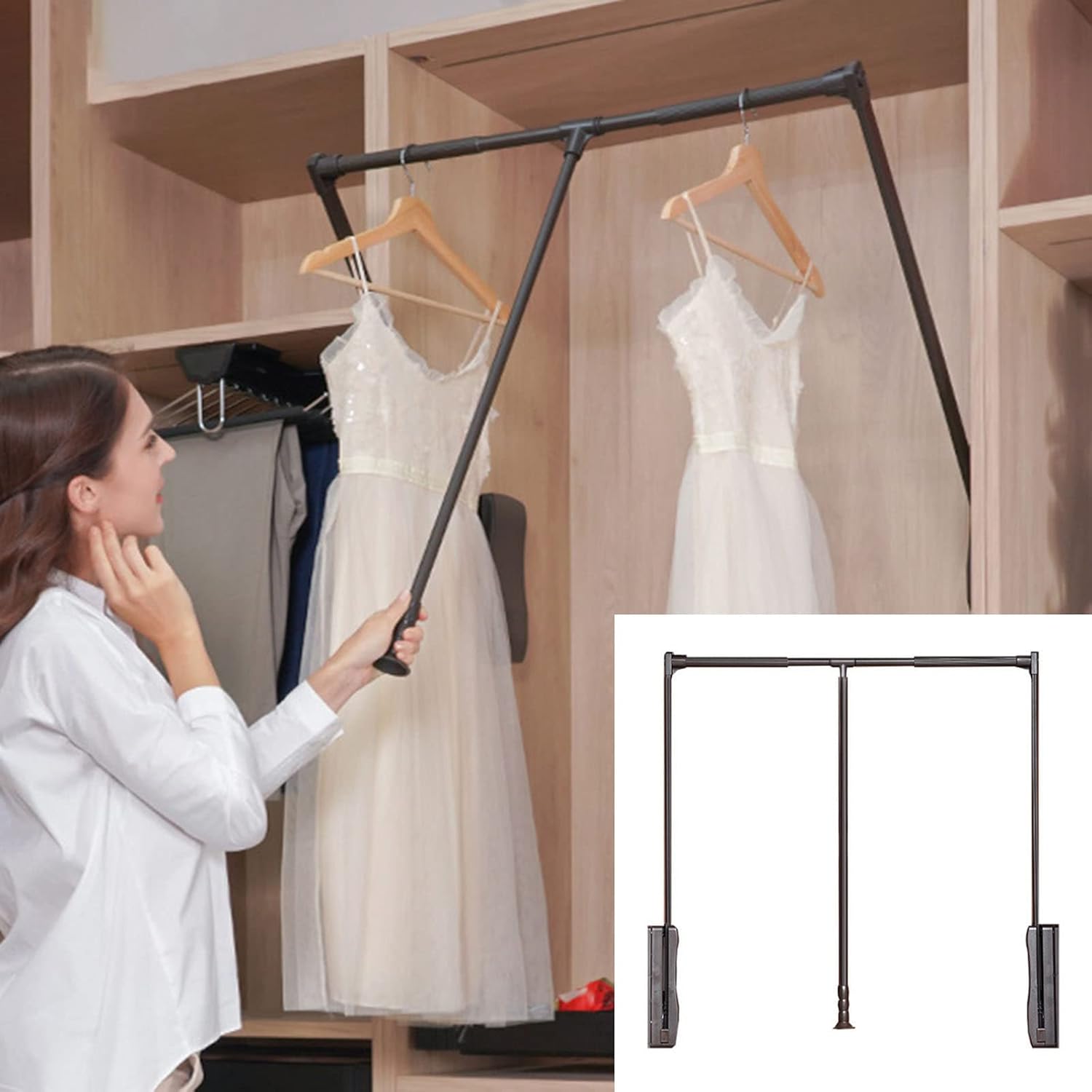
Wardrobes are becoming smarter and more flexible. Pull-down rails for high shelves, LED-lit rails, and modular walk-in systems are all on the rise. Customers also want quiet, slim, and easy to clean surfaces.
The practical advice for your business is to design for flexibility. Choose rail systems that accept different brackets and accessories, so a single platform serves several product lines. That approach lowers inventory and gives your sales team more to offer.
Conclusion
A good wardrobe hanging rail manufacturer treats a simple tube as a precise engineering product. Verify wall thickness, ask for real load data, pair rails with sturdy brackets, and choose a finish suited to your market. Small details like these keep wardrobes quiet, strong, and straight for many years.
FAQ
Which is stronger, round or oval rail? Oval profiles generally resist bending better than round ones with comparable material.
How long can a rail span without a center support? It depends on material and thickness, so ask the factory for tested limits. Long spans usually need extra support.
What finish suits humid climates? Anodized aluminum and quality plated or coated steel both resist moisture well.