
Choosing the right wheelchair can make a meaningful difference in a person’s independence, comfort, and daily routine. Whether someone needs mobility support at home, assistance navigating busy public spaces, or a dependable way to travel outdoors, the right equipment should match their physical abilities and lifestyle. Two of the most common options are manual wheelchairs and electric wheelchairs, each offering different advantages depending on the user’s needs.
Understanding how these mobility solutions differ helps individuals, caregivers, and families make informed decisions. Factors such as upper-body strength, daily travel distance, seating comfort, transportation requirements, and long-term accessibility all deserve consideration before purchasing a wheelchair.
Understanding Manual Wheelchairs and Electric Wheelchairs
Although both options support independent mobility, they operate differently and serve different purposes. The best choice depends on how frequently the wheelchair will be used and how much physical effort the user can comfortably manage.
What Are Manual Wheelchairs?
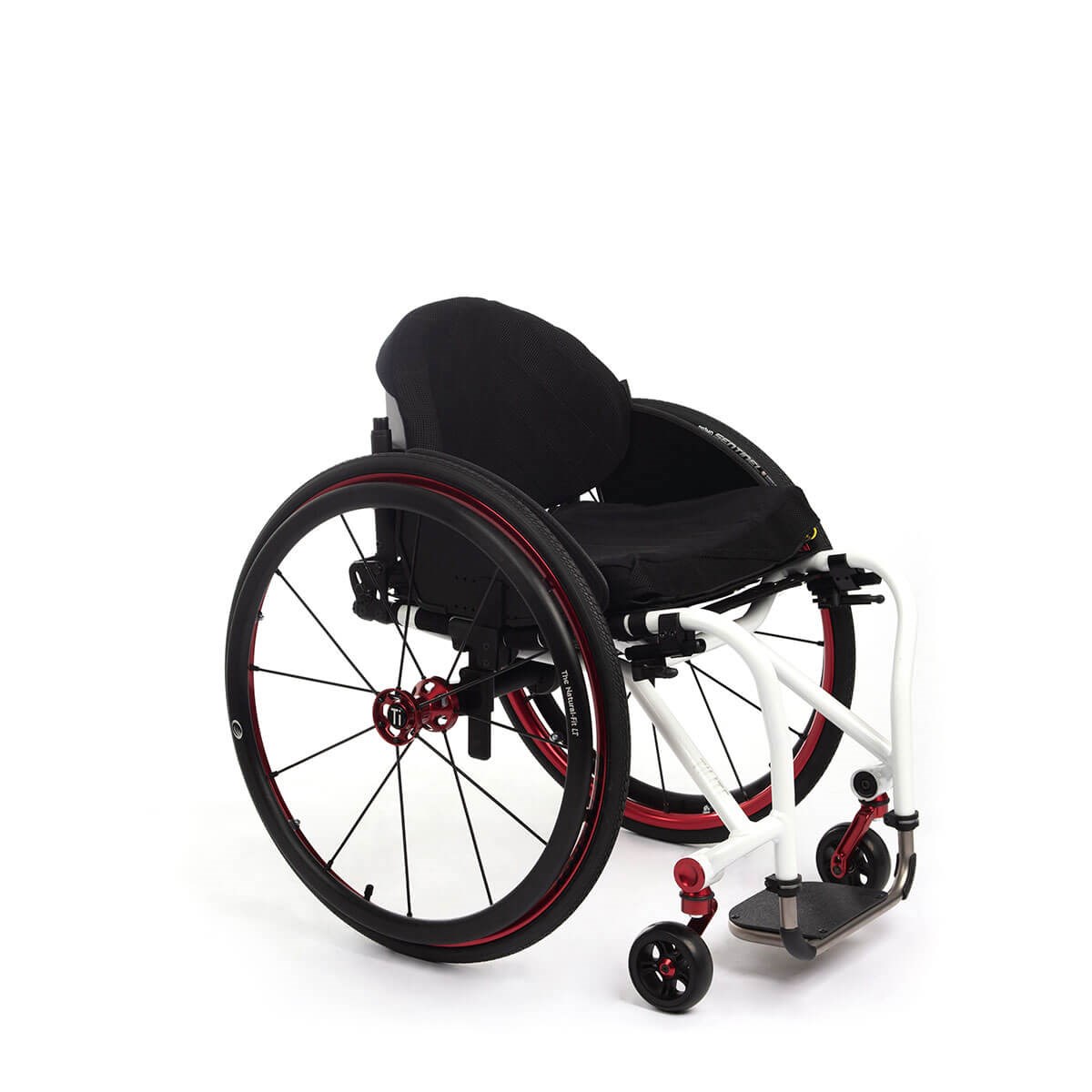
Manual wheelchairs are mobility devices propelled by the user through hand rims attached to the wheels or pushed by a caregiver using the handles. They are available in standard, lightweight, transport, and customized designs to accommodate different mobility requirements.
These wheelchairs are particularly useful for people who have sufficient upper-body strength and want a straightforward mobility solution without relying on batteries or electrical components.
For example, an individual recovering from a leg injury might use a manual wheelchair temporarily while regaining the ability to walk. Similarly, someone who needs occasional assistance moving around their home may prefer a lightweight model that can be folded and stored conveniently.
Manual wheelchairs generally require less maintenance related to mechanical systems, although tire pressure, wheel alignment, brakes, and seating components still need regular attention.
What Are Electric Wheelchairs?
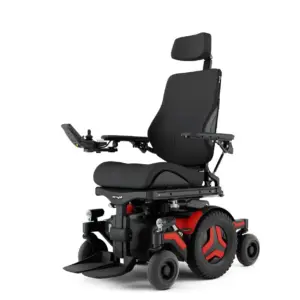
Electric wheelchairs, also called powered wheelchairs, use rechargeable batteries and electric motors to move. Users typically control their direction and speed through a joystick or another accessible control system.
These devices can be especially helpful for people who experience limited arm strength, fatigue, or difficulty propelling a manual wheelchair over longer distances. Depending on the model, they may also provide advanced seating adjustments, specialized controls, and improved support for specific physical needs.
Consider someone who spends several hours each day navigating a large workplace or attending appointments across a hospital campus. An electric wheelchair may help reduce the physical effort required to move between locations.
However, powered models require battery charging, appropriate storage space, and consideration of transportation access. Their size and weight can also affect how easily they fit into vehicles or smaller indoor environments.
Manual Wheelchairs vs. Electric Wheelchairs: Key Differences
When comparing these two mobility options, it is important to look beyond the purchase price. Daily usability, physical comfort, transportation, and long-term needs all influence which wheelchair provides better value.
| Feature | Manual Wheelchairs | Electric Wheelchairs |
|---|---|---|
| Movement | Hand propulsion or caregiver assistance | Battery-powered motor |
| Physical effort | Usually requires pushing strength or assistance | Requires less physical effort to move |
| Portability | Many models fold for easier storage | Often heavier and may require specialized transportation |
| Charging | Not required | Battery charging is necessary |
| Terrain | Depends on wheel design and user strength | Depends on motor, wheels, and model capabilities |
| Maintenance | Wheels, brakes, tires, and frame | Battery, electronics, motor, tires, and brakes |
| Best suited for | Users who can propel themselves or have assistance | Users who benefit from powered mobility |
Which Option Is Better for Everyday Activities?
Manual wheelchairs may work well for shorter trips, compact living spaces, and situations where easy storage is important. They can also provide flexibility for caregivers who need to transport someone between different locations.
Electric wheelchairs may be more appropriate for users who travel longer distances, experience fatigue when pushing themselves, or require powered mobility throughout the day. Some models offer specialized seating and positioning features that can be important for individuals with complex mobility needs.
Neither option is automatically better for everyone. A proper assessment can help determine which features provide the greatest practical benefit.
Factors to Consider Before Choosing a Wheelchair
Before selecting a wheelchair, evaluate the user’s routine rather than focusing exclusively on individual product features.
- Physical abilities: Consider arm strength, coordination, endurance, posture, and the ability to operate controls safely.
- Daily environment: Measure doorways, hallways, bathroom entrances, and turning spaces to ensure the wheelchair fits comfortably.
- Transportation needs: Determine whether the wheelchair must fit inside a personal vehicle, travel on public transportation, or be loaded by a caregiver.
- Comfort and positioning: Evaluate seat width, cushion support, backrest design, footrests, and pressure management requirements.
- Budget and ongoing costs: Compare purchase prices, maintenance requirements, batteries, accessories, and potential insurance benefits.
For example, a person living in a small apartment who primarily needs assistance during short outings may benefit from a compact manual wheelchair. Someone with limited endurance who regularly travels around a university campus may find an electric model more practical.
Pro Tip: Before purchasing, arrange a professional wheelchair assessment and, whenever possible, try the recommended model in the environments where it will be used most often. A comfortable fitting and practical trial can reveal limitations that product descriptions alone may not show.
Exploring Insurance Coverage for Wheelchairs
The cost of mobility equipment can be a significant consideration, particularly when an individual requires specialized seating or a powered device. Insurance coverage may help eligible users manage some of these expenses, depending on their policy, medical needs, and applicable requirements.
Before purchasing, review your plan’s durable medical equipment benefits and determine whether prior authorization, a prescription, medical documentation, or an approved supplier is required. Coverage rules can differ between manual and powered models, and not every feature or upgrade will necessarily qualify.
Eclipse Mobility provides information about available coverage options through its wheelchair insurance options page. Individuals and families can review the available information and contact the provider to understand what documentation may be needed for their circumstances.
It is helpful to confirm coverage before committing to a purchase. This step can clarify potential out-of-pocket expenses and help families plan for equipment that meets the user’s mobility requirements.
Conclusion
Choosing between manual wheelchairs and electric wheelchairs involves understanding the user’s physical abilities, everyday activities, comfort requirements, and transportation needs. Manual models can offer simplicity and portability, while powered options can reduce physical effort and support greater mobility over longer distances.
The most suitable wheelchair is the one that fits the user’s lifestyle rather than simply offering the most features. By comparing practical requirements, seeking professional guidance, and investigating available insurance benefits, individuals and caregivers can make a more informed decision that supports independence and everyday participation.