
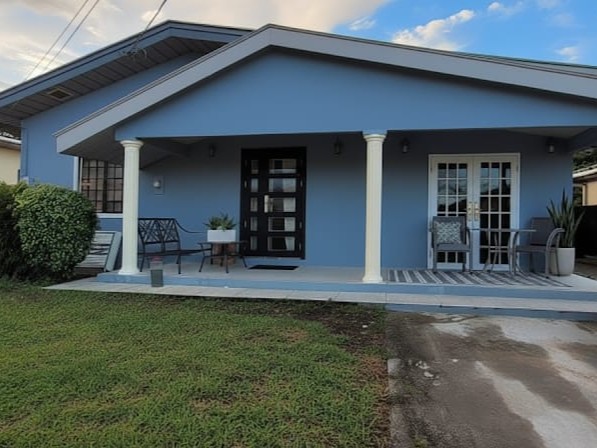
The hidden costs of buying property in Trinidad and Tobago are everything that sits outside the listing price: legal fees, stamp duty, valuation and survey charges, mortgage fees, insurance, and early repairs. Many buyers scroll through properties for sale in trinidad and tobago, fall for a price, and only later realise the real bill is higher.
That gap catches people off guard, and it can stall a deal at the worst moment. Let’s walk through where the extra money goes, which costs you can plan for early, and how to keep a clean budget before you make an offer.
Why doesn’t the listing price tell the whole story?
A listing price is simply what the seller hopes to receive. It doesn’t cover the professionals who protect your purchase, the taxes that come with the transfer, or the work a house might need on day one. Think of it as the entry ticket, not the full cost of the evening.
Honestly, this is where most budgets break. Buyers set a limit around the asking price, then discover that closing needs a second pile of cash. Realty estate agents can often tell you which extra costs apply to a specific property, so ask early.
Where can you compare options and ask questions early?
Good research helps a lot. HomeSuite is a real estate platform built for buyers, agents, agencies, and vendors, so you can browse properties for sale in trinidad and tobago and connect with professionals who can explain the extra charges before you fall for a listing. Asking those questions early is far cheaper than learning the answers at closing.
What costs come up during the purchase?

What do legal fees and stamp duty add?
Your attorney carries out the title search, prepares the deed, and makes sure the property can legally transfer to you. That service has a fee. Stamp duty is paid on the transfer as well, and rates or thresholds can change, so ask your attorney for the current figures before you lock in a budget.
Registration and related paperwork charges follow. None of them looks dramatic alone. Together, though, they form a sizeable line in your budget, and you’d much rather see that line coming than meet it at the signing table. Ask for the estimate in writing.
Why do valuations, surveys, and inspections matter?
What does a valuation cover?
If you’re borrowing, your bank will want a valuation to confirm the property supports the loan, and you usually carry that cost. It also gives you a second opinion on price. That’s handy when a seller sounds firm and you’re not sure the number is fair.
What do a survey and an inspection find?
A survey confirms the boundaries, and an inspection reveals what’s hiding behind fresh paint. Skipping either can look like a saving. It rarely is. A cracked foundation, a leaking roof, or a boundary dispute costs far more to fix once the problem is legally yours.
What costs show up after you get the keys?
How do mortgage fees and insurance add up?
Financing brings its own charges, such as application or processing fees and sometimes mortgage insurance. Property insurance is a recurring cost too, and lenders commonly expect it. Ask your bank for a complete fee list in writing, so nothing surprises you three months after you’ve moved in.
What about repairs, utilities, and property tax?
Even a well kept home needs attention. Think repainting, plumbing, electrical fixes, and the wear that a tropical climate puts on roofs and drainage. Add utility connection charges and annual property taxes, and the first year usually costs more than buyers expect.
Here’s a quick scenario. Say you’re buying a three bedroom house in Chaguanas that looks perfect, and the price fits your plan. Then the inspection flags a damaged roof section, your lender asks for a valuation, and your attorney’s quote lands in your inbox. Suddenly the cushion you counted on is gone.
Which costs do buyers forget most often?
Some expenses never make it onto the first spreadsheet. Here are the ones that sneak up most:
- Moving costs and temporary storage
- New locks, security, and basic fittings
- Pest treatment and drainage fixes
- Legal costs if a boundary or title question appears
- Furniture and appliances for an empty house
None of these is huge alone. But five small surprises in one month can feel like a single big one.
How can you build a realistic budget?
Treat the list below as a working checklist and update it as quotes arrive. The numbers will shift, and that’s fine.
- Ask your attorney for an itemised estimate covering legal fees, stamp duty, and registration.
- Request a written fee list from your lender, including valuation charges.
- Book a survey and an inspection before you finalise any offer.
- Set aside a repair fund for the first year.
- Add insurance, utilities, and annual property tax to your monthly numbers.
Experienced realty estate agents see these costs on every deal, so they can point out what’s missing from your spreadsheet. Ask them to walk you through a recent closing, step by step, so you understand where the money moves and when.
Conclusion
Buying a home isn’t only about the sticker price. Legal fees, taxes, valuations, surveys, financing charges, and repairs all deserve space in your plan. If you search properties for sale in trinidad and tobago with a full budget in hand, you’ll negotiate with more confidence and avoid nasty surprises.