
A retaining wall on a sloped property usually costs more than one on flat ground, because slope increases wall height, complicates access and adds drainage and excavation work. The steeper the lot, the more the project depends on engineering. Here’s what drives the price on a hillside.
Slopes look simple from the street. Once crews are on site, they rarely are. Let’s go through the factors that change the budget when the ground isn’t level.
Why Does Slope Raise the Price?
Steeper ground means more soil to hold back. That means a taller wall, a thicker section and a stronger foundation. Each of those adds material, labor and design time. The relationship isn’t a straight line either, because loads grow quickly as height increases.
Slope also affects how you build. Equipment may struggle to reach the work area, and crews might need to build access paths first. Time on a slope is slower and less predictable, and that’s reflected in the price.
Terraced or Single Wall?
One tall wall can be cheaper to draw but harder to build and engineer. Two or more shorter walls, or terraces, spread the load and can be easier to manage. The right choice depends on space, soil and what you want the finished yard to do.

How Does Soil Behave on a Slope?
Sloped soil wants to move. Gravity, rain and vibration all encourage it to slide, and a retaining wall has to resist that tendency for decades. A site investigation helps you understand what’s under the surface before you design.
Wet soil is the biggest concern. Saturated ground is heavier and weaker, so drainage becomes critical. Gravel backfill, perforated pipes and outlets all keep water moving instead of building pressure behind the wall.
Signs You May Need Extra Support
- Visible soil creep or cracking above the wall line
- Water seeping from the slope face
- Neighboring structures close to the dig
- Loose or fill type soil
When Is Shoring Needed on a Hillside?
When you dig into a slope, you remove support that was holding the ground in place. Temporary shoring keeps the excavation stable until the permanent wall can take over. It protects workers, nearby structures and the slope itself.
This is where retaining wall cost can climb quickly on steep lots. Seiscore, a San Francisco shoring and structural engineering construction company, lists shoring and underpinning among its core services. Planning for that support at the design stage is much cheaper than reacting to movement later.
Soldier Beams and Deep Foundations
Soldier beam retaining walls and bored piles appear in Seiscore’s service list, and they’re the type of solution that can suit demanding slopes. Which one fits depends on loads, soil and space. A proper design review will tell you whether you need them.
What Role Does Access Play?
A big one. If a drill rig or excavator can’t get close, crews use smaller equipment or hand labor, and the schedule stretches. Narrow streets, steep driveways and tight side yards all slow things down.
Before you accept a quote, ask how crews will reach the work area. A contractor who has thought about access has probably thought about the rest of the job too.
A Practical Scenario
Consider a house with a sloped backyard rising behind it. The owner wants a flat patio. A short wall could do it if the slope is gentle. If the hill is steep and the house sits close to the cut, the wall gets taller, the dig needs support and drainage becomes essential.
Both owners want the same patio. The costs differ because the ground differs. That’s not padding, it’s physics.
How Can You Control Costs on a Sloped Lot?
Start with good information. Understand the soil, plan the drainage and decide early whether terraces make sense. Changes during construction are always more expensive than changes on paper.
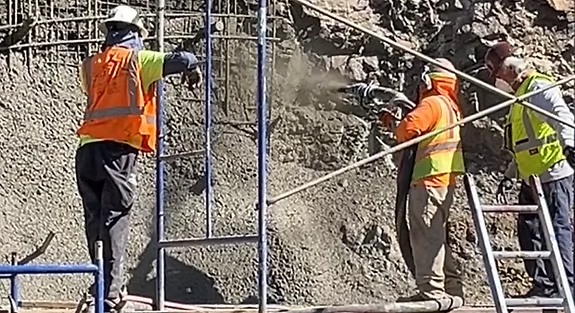
Choose a team that can handle design and build together. For retaining wall construction on a slope, fewer handoffs mean fewer gaps. Seiscore says it self performs drilling, excavating, rebar, shotcrete and framing, which keeps key trades under one roof.
Conclusion
Slope raises cost through height, access, drainage and shoring. The steeper the lot, the more engineering and planning matter.
Don’t chase the lowest number. Choose a design that suits your ground, and make sure each quote covers the same scope.